
Understanding the mental health consequences of gambling addiction
The Nature of Gambling Addiction
Gambling addiction, also known as compulsive gambling or gambling disorder, is characterized by an uncontrollable urge to gamble despite the negative consequences. This condition can impact various aspects of life, including financial stability, relationships, and emotional well-being. Individuals often find themselves chasing losses, believing that the next bet will turn their fortunes around. This mindset can lead to a vicious cycle of debt and despair, making it increasingly difficult to break free from gambling’s grasp. The thrilling gameplay of Ice Fishing casino game offers just one example of how enticing gambling can be.
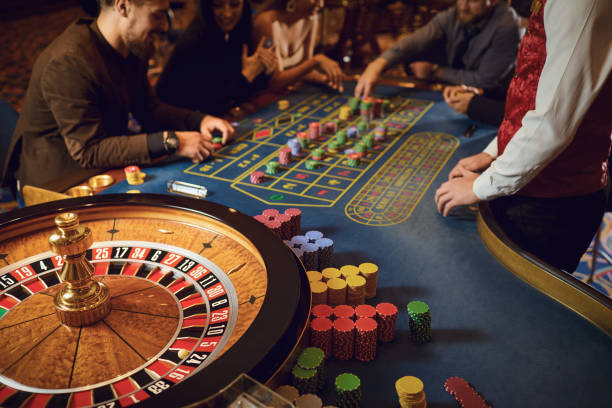
The brain’s reward system plays a significant role in the development of gambling addiction. When a person gambles, dopamine—a neurotransmitter associated with pleasure and reward—floods the brain. This rush can become addictive, leading individuals to seek out gambling experiences for that euphoric feeling. Over time, this can rewire the brain’s pathways, making it challenging for individuals to experience satisfaction from anything other than gambling.
Understanding the nature of gambling addiction is crucial for recognizing its mental health consequences. Many individuals do not view their gambling behavior as a problem until it has escalated to a point of crisis. Consequently, early intervention is essential for mitigating the damaging effects of gambling addiction, as the longer the addiction persists, the more entrenched the psychological effects can become.
Mental Health Impacts of Gambling Addiction
The mental health impacts of gambling addiction can be profound and far-reaching. Many individuals struggling with this addiction experience heightened levels of anxiety and depression. The constant stress of managing financial losses, hiding gambling behavior from loved ones, and the fear of escalating consequences can lead to debilitating emotional distress. This emotional turmoil often exacerbates existing mental health issues or contributes to new ones, creating a vicious cycle that is hard to escape.
Moreover, individuals with gambling addiction may experience feelings of guilt and shame. They often grapple with the reality of their situation, recognizing the harm they are causing themselves and their families. This internal conflict can result in a profound sense of isolation, pushing individuals further into gambling as a means of coping with their negative emotions. It’s not uncommon for them to withdraw from social circles or familial connections, leading to loneliness and despair.
The impact of gambling addiction on mental health may not be immediately visible to outsiders. Friends and family may not recognize the signs until significant damage has been done. Symptoms may include irritability, mood swings, and even suicidal ideation in severe cases. A comprehensive understanding of these mental health consequences is vital for supporting those in need and encouraging them to seek help.
Co-occurring Disorders in Gambling Addiction
Gambling addiction often coexists with other mental health disorders, such as substance abuse, anxiety disorders, and mood disorders. Individuals with a history of mental health issues may be more susceptible to developing gambling addiction as a means of coping with their emotional struggles. This interplay creates a complex relationship where each disorder exacerbates the other, making treatment more challenging.
For example, someone dealing with depression may turn to gambling as a temporary escape from their feelings of hopelessness. However, the subsequent losses and mounting stress can intensify their depressive symptoms, leading to a downward spiral. Similarly, those with anxiety disorders may gamble as a way to distract themselves, but the stress associated with gambling can heighten their anxiety levels, creating a compounding effect.
Addressing co-occurring disorders is essential in treatment plans for gambling addiction. Successful recovery often requires a comprehensive approach that addresses not only the gambling behavior but also any underlying mental health issues. Therapeutic interventions that target both areas can significantly improve an individual’s chances of recovery and enhance their overall mental well-being.
Seeking Help for Gambling Addiction
Seeking help for gambling addiction is a crucial step toward recovery, yet it can be a daunting process. Many individuals hesitate to reach out due to feelings of shame or fear of judgment. However, understanding that gambling addiction is a recognized mental health disorder can help normalize the need for assistance. There are various treatment options available, including therapy, support groups, and rehabilitation programs designed specifically for gambling addiction.
Cognitive Behavioral Therapy (CBT) is one of the most effective treatment methods for gambling addiction. CBT helps individuals recognize and change their unhealthy thought patterns and behaviors related to gambling. Through this therapy, individuals learn coping strategies and skills to manage their urges and triggers, fostering a healthier relationship with gambling. Additionally, support groups like Gamblers Anonymous provide a community for individuals to share their experiences and find encouragement from others who understand their struggles.
Recognizing the need for help is the first step on the path to recovery. Loved ones can play a significant role by offering support and encouraging their family members or friends to seek professional guidance. The journey to recovery may be challenging, but with the right resources and support, individuals can reclaim their lives from the grip of gambling addiction.

Your Resource for Understanding Gambling Addiction
Our website is dedicated to providing comprehensive information and resources about gambling addiction, aiming to raise awareness and facilitate understanding of this often-overlooked mental health issue. We offer valuable insights into the nature of gambling addiction, its mental health consequences, and the various treatment options available. Our mission is to provide individuals and their families with the tools they need to navigate the complexities of gambling addiction.
By fostering a supportive community, we strive to break the stigma surrounding gambling addiction and encourage open discussions about mental health. Whether you are seeking help for yourself or a loved one, our resources are designed to empower individuals with knowledge and support. Together, we can work towards a future where those affected by gambling addiction can find hope and healing.